Locksmith Lithonia Service Team
Local locksmith team
May 29, 2026 11 min read
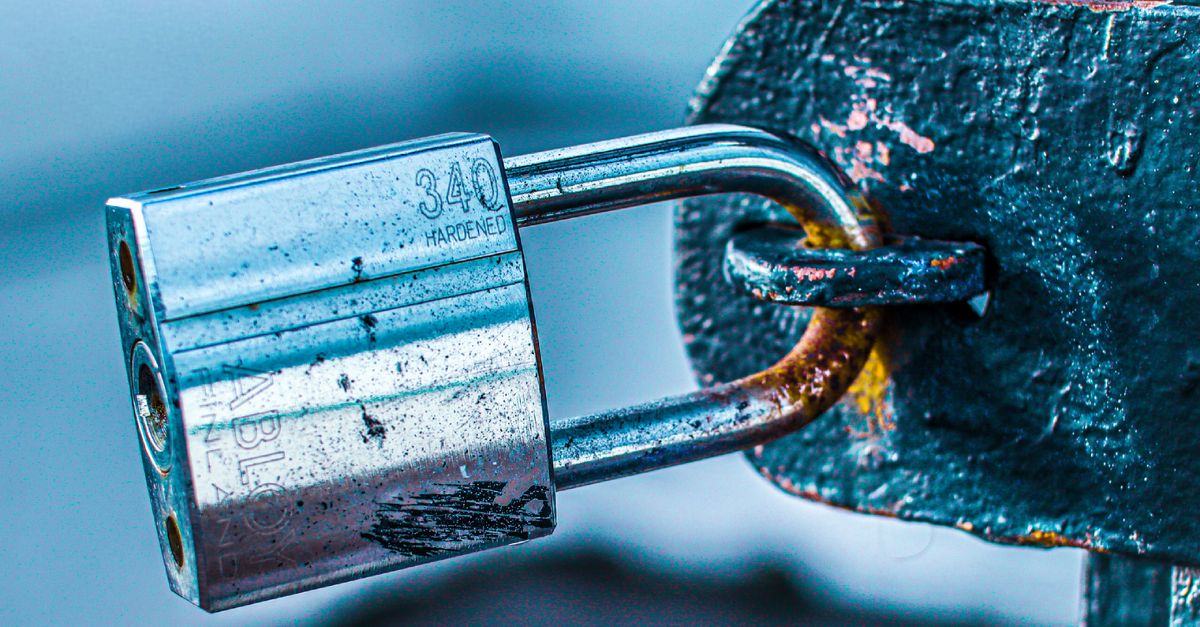
If you run a shop, restaurant, or office along a busy corridor like Covington Highway or near the Stonecrest Mall area, the last thing you want is to show up for an early morning opening shift and find your front door lock has given out completely. Storefront lock failure rarely happens without warning — the problem is that most business owners do not know what signals to look for until they are already locked out and calling for emergency help.
This guide walks you through five real, observable warning signs that your commercial lock is heading toward failure, explains what each sign means mechanically, and tells you when it is time to call a professional commercial locksmith before a small issue becomes a very expensive, very public crisis.
## Sign 1: Your Door Knob Lock Is Loose or Wobbles Under Normal Use
A door knob lock that is loose is one of the most overlooked early warnings a business owner can get. When you grip the knob and feel it shift, rattle, or turn without engaging the latch cleanly, the internal cam and spindle are likely worn through years of high-traffic use. On a commercial storefront, a loose knob is not just a minor annoyance — it means the lock mechanism is no longer holding its components in proper alignment. Every turn of that knob is accelerating internal damage, and eventually the latch will either fail to retract or fail to engage the strike plate entirely, leaving you locked out or leaving your store unsecured overnight.
Do not wait for the wobble to become a full stop. A trained commercial locksmith can inspect whether the issue is a loose set screw, a stripped spindle, or a worn mortise lock cylinder — all very different problems with very different solutions. A mortise lock, which sits recessed inside the door itself, is the gold standard for storefront security, and many older Lithonia commercial buildings still have functioning mortise lock hardware that simply needs a skilled eye and fresh components to perform reliably for years to come. If your knob is loose, schedule a same-week inspection rather than a same-year replacement.
## Sign 2: The Key Sticks, Grinds, or Requires Multiple Attempts — A Classic Pre-Failure Pattern
When a door lock is opened by turning the lever or key and that action suddenly requires significantly more force than it used to, you are hearing the lock communicate something specific: the cylinder pins are worn, there is debris buildup inside the keyway, or the door and frame have shifted enough to misalign the bolt and strike plate. In Lithonia's Georgia climate, seasonal humidity and heat cause wooden door frames and metal components to expand and contract constantly. That movement gradually pushes components out of the precise tolerances a commercial lock needs to operate smoothly.
A grinding sensation when inserting or turning your key is especially serious. It usually means metal-on-metal contact where there should be none — a sign that the cylinder's internal components are degrading rapidly. If you reach the point where your door knob lock is stuck and will not turn at all, you have moved past the warning phase and into an emergency. At that stage, call (770) 202-1357 and our mobile team can reach you around the clock, seven days a week, anywhere in the Lithonia area. We handle mortise lock service, cylinder rekeying, and full storefront lock replacement depending on what the hardware actually needs — not a one-size-fits-all answer.
## Sign 3: The Lock Looks or Feels Mechanically Wrong — Backwards, Misaligned, or Upside Down
This sign surprises a lot of business owners, but it happens more often than you might expect after a quick DIY repair or a rushed lock swap: the door knob lock is installed in the wrong orientation. A door knob lock that is backwards will have the keyed cylinder facing inward and the thumbturn facing outward — the exact opposite of what security requires. A lock that is upside down may have its latch bevel pointing the wrong direction, causing the door to latch only when slammed hard or not at all. These are not cosmetic quirks; they are functional failures waiting to reveal themselves at the worst possible time.
If your lock was recently replaced by someone other than an experienced commercial locksmith and the hardware now looks or behaves strangely, trust your instincts. An improperly installed mortise lock, deadbolt, or cylindrical lock set creates both security vulnerabilities and mechanical stress that accelerates wear. Our team inspects orientation, latch direction, backset measurements, and strike plate alignment on every service call — because a lock that works technically but sits incorrectly in the door is a liability, not protection. We serve business owners across Lithonia, Conyers, Stonecrest, and the surrounding DeKalb and Rockdale County corridor, and we see installation issues like these regularly.
## Sign 4: Visible Damage, Rust, or Physical Wear on the Lock Body or Cylinder
Step outside and actually look at your storefront lock. If you notice pitting, surface rust, a cracked rose plate, a spinning cylinder that rotates freely without moving the bolt, or deep scratches around the keyway, those are physical signs of both wear and potential tampering. Scratches around a keyway in a pattern that fans outward are a common indicator that someone has attempted to pick or force the lock — something any experienced emergency locksmith will recognize immediately during an inspection.
Rust and corrosion are particularly serious on mortise locks because the internal mechanism is complex and compact. Once moisture reaches the internal levers or springs of a mortise lock, corrosion can freeze components in place with very little external warning. By the time the lock stops working, the damage is extensive. If your storefront lock is more than seven to ten years old and shows any of these physical signs, storefront lock replacement is likely the most cost-effective long-term decision. The factors that shape the final price — the type of lock hardware, the door preparation required, the grade of replacement lock chosen, and any after-hours scheduling — are all things we walk through with you before a single bolt is touched, so you have a clear, confirmed number upfront.
## Sign 5: The Lock Behaves Inconsistently — Works Fine One Day, Fights You the Next
Intermittent failure is the sneakiest warning sign of all, because on a good day the lock seems perfectly fine. An employee reports the door was hard to open on Monday, but by Wednesday it works without issue. This pattern — a lock that works fine some days and fights you on others — almost always points to a mechanical component that is failing gradually. Internal springs lose tension over time, bolt mechanisms develop hairline cracks that flex under varying load, and worn cylinder pins grip inconsistently depending on the exact angle of key insertion.
For a commercial storefront, intermittent failure is actually more dangerous than a complete lockout, because it creates false confidence. Business owners delay action, assuming the problem has resolved itself, until one morning — possibly a Saturday at 5 a.m. before a holiday weekend — the lock finally gives up entirely. That is exactly when Locksmith Lithonia earns its value as a 24 hour storefront lock replacement and emergency locksmith resource. Our mobile units carry commercial-grade hardware, including mortise lock components, high-security cylinders, and deadbolt sets, so we can diagnose and resolve the problem in a single visit rather than scheduling a return trip. If any of these five signs sound familiar, do not wait for the final failure — call (770) 202-1357 any time of day or night.
## What Lithonia Business Owners Should Do Right Now: A Practical Pre-Failure Checklist
Start with a quick physical inspection of every exterior lock on your property — check for looseness, rust, misalignment, and any signs of forced entry around the keyway. Test each lock three or four times with a slow, deliberate key turn and note any grinding, sticking, or inconsistency. If you have a mortise lock installed, pay special attention to the face plate on the door edge — any movement in that plate under hand pressure suggests internal fasteners have loosened or the lock body has shifted in its pocket.
Next, pull your lock maintenance history. Most commercial properties in Lithonia — particularly older retail spaces near Salem Road or industrial properties off Covington Highway — have never had their locks professionally serviced since original installation. Rekeying, lubrication, and cylinder inspection on a regular cycle can extend lock life significantly and give a trained eye the chance to catch deteriorating components early. If you are unsure where to start, our commercial locksmith team offers on-site assessments with no guesswork and no pressure — just a professional evaluation and a clear explanation of what the hardware needs. We are insured, experienced, and familiar with the specific door hardware common to commercial buildings throughout the Lithonia, Stonecrest, and surrounding area.
## Our Full Range of Services for Lithonia-Area Homes, Businesses, and Vehicles
Locksmith Lithonia is a mobile, 24/7 operation built to handle whatever lock or key situation you face — not just storefront emergencies. Here is a complete picture of what our team handles on a daily basis across DeKalb and Rockdale County: commercial door lock installation, mortise lock repair and replacement, storefront lock replacement, high-security deadbolt installation, master key system setup, commercial lock rekeying, access control integration, emergency business lockout response, residential lockout service, house rekeying after a move, broken key extraction, door knob lock repair and replacement, lock installation on new construction, security assessment for residential properties, apartment lock changes, garage door lock service, car lockout service, automotive key programming, transponder key cutting, key fob replacement and programming, ignition switch repair, steering column lock diagnosis, vehicle trunk lockout, motorcycle lock service, and safe opening and combination reset. Whether you manage a multi-unit property near Evans Mill Road or you are a driver locked out near I-20, our team comes to you with the tools and experience to resolve the situation efficiently.
Frequently asked questions
How much is the average locksmith charge for a commercial lock service in Lithonia?+
There is no single flat number that applies to every situation, because several factors shape what a commercial lock service actually costs. The type and grade of lock hardware involved — for example, a basic cylindrical lockset versus a full mortise lock replacement — makes a significant difference. So does the time of day, since a 24 hour storefront lock replacement after midnight involves different logistics than a scheduled weekday appointment. Travel distance within the Lithonia area, the condition of the existing door preparation, and whether new parts are needed versus a repair are all part of the calculation. What we commit to is this: before any work begins, you receive a clear, confirmed price. There are no surprise additions on the final invoice.
Do you have to have a license to be a locksmith in Georgia?+
Georgia does not currently require a statewide locksmith license the way some other states do, but that does not mean credentials and accountability are irrelevant. When choosing a commercial locksmith, look for a team that is insured, has verifiable experience with the specific type of hardware you need serviced, and is transparent about their process. Ask how long they have been operating, whether they carry commercial-grade parts on their mobile units, and whether they provide a written, upfront price before starting work. Our team at Locksmith Lithonia meets all of those practical standards and serves the Lithonia area with experienced, professional technicians who work on everything from residential deadbolts to complex mortise lock systems.
How long does it usually take for a locksmith to come to a Lithonia business or home?+
Response time depends on a few honest variables: where you are located relative to our current mobile position, traffic conditions — anyone familiar with the I-20 corridor east of Atlanta knows that congestion is real and unpredictable — and the volume of active calls at that moment. In general, our goal for the Lithonia area is to reach you as quickly as road conditions allow, and we will give you an honest estimated arrival window when you call. We operate around the clock precisely because emergencies do not follow business hours. Calling (770) 202-1357 connects you directly to a live person who can dispatch the nearest available technician without delay.
What is a locksmith call out fee, and does Locksmith Lithonia charge one?+
A call out fee — sometimes called a service call fee or dispatch fee — is a charge that some locksmiths apply simply for sending a technician to your location, separate from the cost of labor or parts. Policies vary widely across the industry. What matters most is that you know exactly what you are agreeing to before a technician arrives. When you call us at (770) 202-1357, we discuss the nature of your situation, the location, and the work involved, and we provide pricing information clearly upfront. You will never be handed a bill at the door that contradicts what was discussed on the phone. Transparency about the full cost of the visit — including any service call component — is a standard part of how we operate.