Locksmith Lithonia Service Team
Local locksmith team
Jul 24, 2026 11 min read
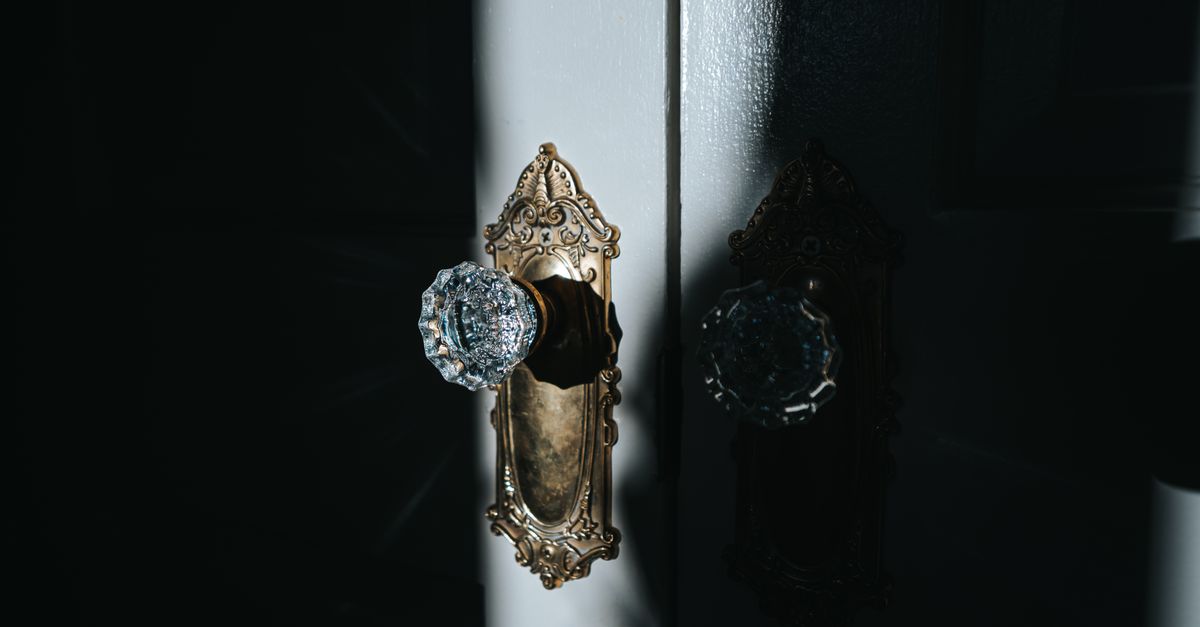
If you live in one of Lithonia's older neighborhoods — whether near the historic downtown corridor on Main Street, along a quiet stretch off Wellborn Road, or in one of the established subdivisions tucked behind Arabia Mountain — there's a good chance your front door has a mortise lock. It's that chunky, rectangular mechanism set deep into the door's edge, usually paired with an ornate handle and a separate deadbolt knob. Many homeowners have no idea what it's actually called, only that it looks different from the locks on newer doors — and that finding the right locksmith to service it isn't always simple.
This guide breaks down exactly what a mortise lock is, why so many Lithonia homes were built with them, how they compare to the cylindrical locks used in modern construction, and how to decide whether yours needs a repair, a cylinder swap, or a full replacement. Understanding your lock isn't just trivia — it can save you money, help you make smarter security decisions, and tell you what to ask for when you call a locksmith.
## What Is a Mortise Lock and How Does It Work?
A mortise lock is a lock mechanism that is installed inside a pocket — called a mortise — that is cut directly into the body of the door. Instead of a simple bored hole like a modern cylindrical lock, the door is routed out to accept a full metal case containing multiple working components: a latch bolt, a deadbolt, a spindle for the handle, and internal cam or lever mechanisms that tie everything together. The result is a single, self-contained unit that controls both the latch and the deadbolt from one housing. On the face of the door, you'll typically see a long metal faceplate with two bolt openings — one for the spring latch and one for the deadbolt.
What makes a mortise lock set mechanically distinct is how the cylinder interacts with the lock body. The mortise lock cylinder — a small, replaceable plug that accepts the key — slots into the side of the main case and drives an internal cam. This is completely different from a cylindrical lock, where the cylinder and the housing are essentially one unit. On a mortise design, you can swap out just the cylinder without touching the rest of the lock body, which is one of the reasons these locks have been valued in commercial and high-end residential settings for well over a century. Brands like Corbin Russwin and Baldwin became known for building mortise lock sets to exacting tolerances, and their hardware can still be found in good working condition in homes built 50, 60, or even 80 years ago.
## Why Older Lithonia Homes Were Built With Mortise Locks
Lithonia was incorporated in the 1880s and grew steadily through the mid-twentieth century as a granite-industry hub and later as a residential community serving the greater DeKalb County area. Most of the housing stock built between roughly 1920 and the mid-1970s — including the bungalows near downtown and the ranch-style homes in the older subdivisions east of Turner Hill Road — was constructed when the mortise lock was simply the standard of the industry. Builders specified them because they were durable, secure, and the hardware technology of cylindrical bored locks had not yet taken over the residential market.
The shift to cylindrical locks happened largely in the 1960s and 1970s, when mass production made bored-hole locks dramatically cheaper to manufacture and install. A cylindrical lock requires only two simple drilled holes; a mortise pocket requires skilled carpentry. As new construction favored speed and cost efficiency, the mortise lock became less common in residential builds — but homes that already had them kept them, because a well-made mortise lock set on an exterior door can genuinely outlast the door itself. That's why so many Lithonia homeowners are still living with the original hardware their homes shipped with decades ago.
## Mortise Lock vs. Cylindrical Lock: Practical Differences for Homeowners
The most visible difference is the door knob with lock and key arrangement. On a cylindrical lock, the knob or lever you grip is directly connected to the latch mechanism inside a round cartridge in the door. On a mortise door, the handle or knob is connected via a spindle that passes through the door and engages the larger lock body sitting in the mortise pocket. This means the handle on a mortise door does not provide the primary locking function — the separate deadbolt inside the case does. The handle simply controls the latch. This separation of functions is actually a security advantage: there is no way to manipulate the deadbolt by attacking the handle.
From a homeowner's maintenance perspective, the differences are important to understand. Cylindrical locks are easy to find at any hardware store and straightforward to replace. Mortise lock sets on exterior doors are not standardized the same way — dimensions like the case depth, the backset, the spindle size, and the cylinder cam length all vary by manufacturer and era. A Baldwin mortise lock from 1965 and a Corbin Russwin mortise lock from the same period may share a similar look but have completely different internal geometry. This is why calling a qualified locksmith who has hands-on experience with vintage and legacy hardware is so much more practical than attempting a DIY replacement.
## Repair or Replace? How to Decide What Your Mortise Lock Needs
Most mortise lock problems fall into a few predictable categories, and knowing which category you're dealing with tells you whether a simple repair will do or whether a fuller intervention is needed. If the key turns with difficulty, feels gritty, or requires lifting the handle to engage the deadbolt, the lock body likely needs cleaning, lubrication, and possibly a worn-part replacement — this is a repair job. If the cylinder itself is the problem (the key spins without engaging, or the lock was rekeyed so many times the pins are worn), a mortise lock cylinder replacement is often all that's required. Because the cylinder is a removable component, a skilled locksmith can rekey or swap it without disturbing the rest of the lock body, which is far less invasive and less expensive than a full replacement.
Full replacement becomes the right call in a few specific situations: the lock case is cracked or the internal cam mechanism is broken beyond economic repair; the door has been forced and the mortise pocket itself is damaged; or you are upgrading security and want a modern high-security mortise lock set on your exterior door. When replacement is needed, factors like the door's thickness, the existing mortise dimensions, the backset measurement, and whether the original strike plate mortise in the frame can be reused all influence which replacement unit will work — and these are exactly the details a professional locksmith will assess on-site before recommending a part. If you are unsure which scenario you are in, the safest first step is to call and describe what the lock is doing. Our team at Locksmith Lithonia can often help you diagnose the issue over the phone before we even roll the truck. Call us at (770) 202-1357 — we are available around the clock, including weekends and holidays.
## Our Locksmith Services: What We Handle Across Lithonia and Surrounding Areas
Locksmith Lithonia is a 24/7 mobile locksmith serving Lithonia, GA and the surrounding DeKalb and Rockdale County communities. Our team handles a wide range of residential, automotive, and commercial locksmith needs, including: mortise lock repair and restoration; mortise lock cylinder replacement and rekeying; full mortise lock set installation on exterior doors; cylindrical and deadbolt lock installation and replacement; residential lockout response; house rekey after a move or lost key; high-security lock upgrades for front and back doors; door hardware realignment and strike plate adjustment; master key system setup for rental properties; sliding door lock repair and replacement; window lock installation; garage side-door lock service; smart lock and keypad lock installation; key duplication for standard and restricted keyways; transponder key programming for cars and trucks; automotive lockout response; car key replacement for lost or broken keys; ignition lock cylinder repair and replacement; locked trunk opening; broken key extraction from locks and ignitions; commercial door lock installation and replacement; access control system support; panic bar and exit device service; safe opening and combination changes; and emergency lockout response for businesses after hours. If it locks, we service it.
The factors that determine the final price on any job include the type of lock or vehicle involved, the specific parts required, travel distance to your location, and the time of day. We always confirm an exact up-front price before any work begins, so there are no surprises when the job is done.
## Staying Secure: Practical Tips for Homeowners With Older Door Hardware
If your Lithonia home has original mortise hardware, a little proactive attention goes a long way. First, lubricate the lock body annually using a graphite powder or a dry PTFE spray — never use oil-based lubricants, which attract grime and can gum up the internal levers over time. Second, check the strike plate regularly. Older homes settle, and even a small shift in the door frame can cause the bolt to bind against the strike mortise, putting stress on the lock mechanism with every use. A misaligned strike is one of the leading causes of premature wear on vintage lock hardware. Third, if you have moved into a home with existing mortise locks, have the cylinder rekeyed before assuming you know who has access — older lock sets can have had many key copies made over the decades.
Finally, do not delay if the lock starts behaving unusually. A deadbolt that suddenly requires extra force, a handle that feels loose, or a cylinder that wobbles in the housing are all early warning signs. Catching a failing component before it fails completely means you can schedule service at your convenience rather than dealing with a lockout at midnight. That said, if the lockout does happen — day or night — Locksmith Lithonia is ready. Call (770) 202-1357 and a trained, experienced locksmith will be on the way.
Frequently asked questions
How much is the average locksmith charge for a mortise lock repair or replacement?+
There is no single flat rate for mortise lock work because the final price depends on several variables: the specific lock model, whether parts need to be sourced (some vintage mortise components are specialty items), the condition of the door and mortise pocket, travel distance to your location in the Lithonia area, and the time of day. A job at 2 a.m. on a Sunday may reflect different logistics than a weekday appointment. What we always do is confirm the exact price with you before any work starts, so you know the full cost upfront. Call (770) 202-1357 and we can talk through what your specific situation involves.
Do you have to have a license to be a locksmith in Georgia?+
Georgia does not currently require locksmiths to hold a state-issued license, which means it is especially important for homeowners to look for other indicators of trustworthiness when choosing who to call. Ask whether the locksmith is insured, ask how long they have been working in the area, and ask whether they will confirm the price before starting work. Our team at Locksmith Lithonia is insured, trained, and experienced with a wide range of residential and commercial hardware — including the older mortise lock sets common in Lithonia's established neighborhoods.
How long does it usually take for a locksmith to come?+
Arrival time depends on where you are located relative to where our nearest technician is dispatched from, traffic conditions in the Lithonia and broader DeKalb County area, and the time of day. In most cases, we aim to reach customers within 20 to 45 minutes. When you call (770) 202-1357, we will give you an honest estimated arrival window based on real-time conditions — not a number designed just to get you off the phone.
What is a locksmith call-out fee and will I be charged one?+
A call-out fee, sometimes called a service call or dispatch fee, is a charge some locksmiths apply simply for traveling to your location, separate from the cost of the actual work. Pricing structures vary by provider. What we do at Locksmith Lithonia is roll all costs into a single transparent quote that we confirm with you before any work begins. You will know exactly what you are paying for before we touch anything — no hidden line items and no after-the-fact surprises.